As baseball fans gear up for All-Star Week in Seattle, starting this Friday, many will explore the city’s renowned landmarks such as the Space Needle and Pike Place Market. However, a significant number will make their way to a Renton mini-mall, home to DJ’s Sportscards, a haven for sports memorabilia enthusiasts. During the last All-Star event in Seattle in 2001, Don Joss’ store was a bustling hub, driven by the Mariners’ remarkable 63-24 record and the rising fame of rookie Ichiro Suzuki.
Joss, now 52, fondly remembers the excitement surrounding Mariners’ cards, particularly Ichiro’s, during that period. Despite the current uncertain market for memorabilia shops, Joss remains optimistic for a similar boost this year, even though the Mariners’ performance has been underwhelming and they lack All-Star starters. Preparing for an influx of visitors, Joss is bolstering his staff and launching promotions to cater to collectors seeking both established and emerging stars.
Collectors are not only interested in current stars but also in future prospects, hoping to uncover the next big sensation. As All-Star festivities kick off, fans will flock to local card shops, searching for cards of current Mariners like Julio Rodriguez, rookies such as Bryce Miller, and prospects like Harry Ford from the AquaSox.
Jake Johnson from Salem, Oregon, embodies the collectors’ mindset. Visiting DJ’s Sportscards during a trip for Mariners games, he emphasizes the thrill of discovering new items for his collection, especially during the All-Star Game.
Collector’s Paradise
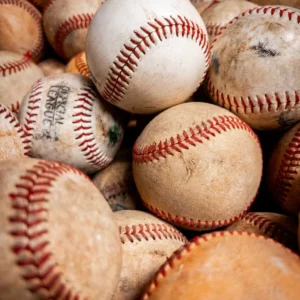
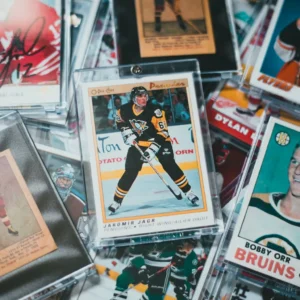
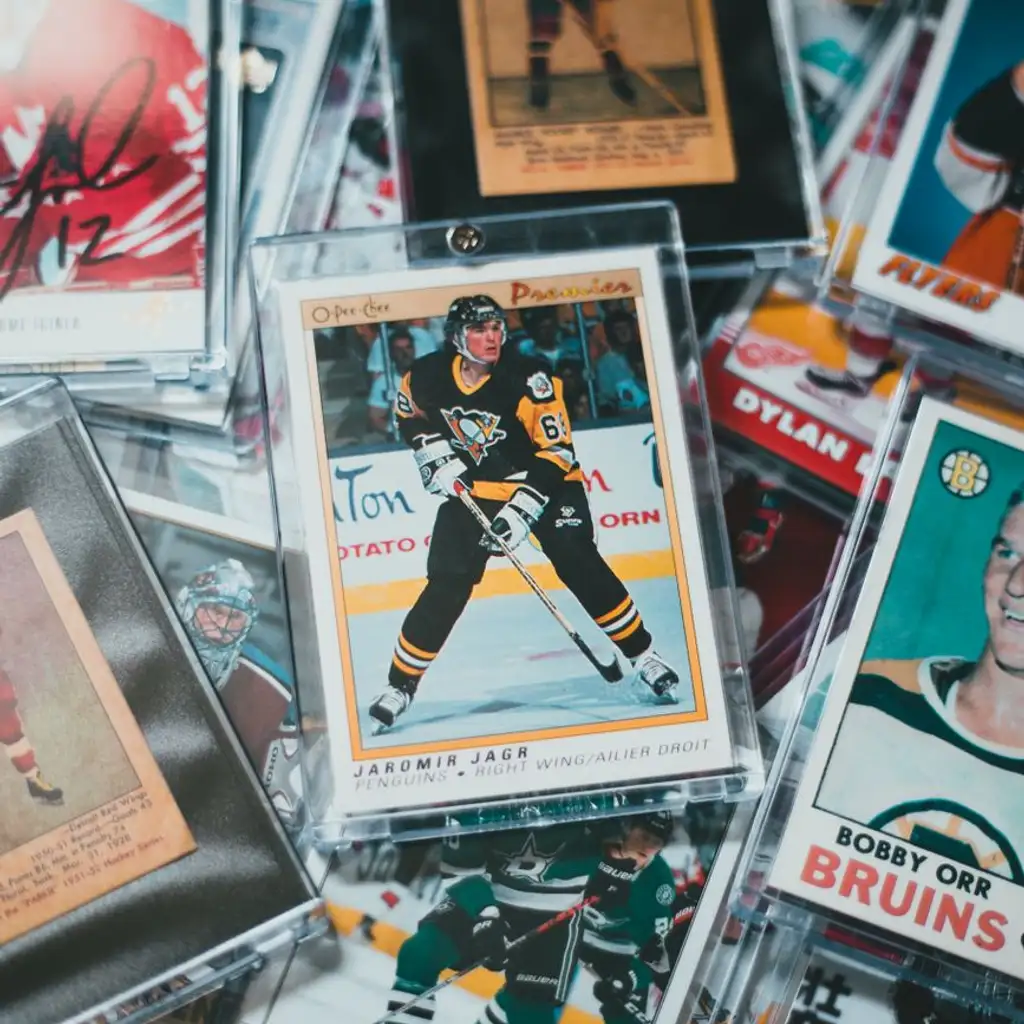
Sports collectors have a natural affinity for the All-Star Game, drawn to its rich history and memorabilia. DJ’s Sportscards offers an extensive array of collectibles, from bobbleheads and autographed baseballs to vintage sports cards. Joss boasts a collection of over a million cards in-store and millions more in storage, spanning from the 1880s to the latest releases.
Prices vary widely, with Joss’s most expensive sale being an autographed Mike Trout card for $15,000. However, affordable options are plentiful, ensuring no one is priced out. Most vintage stock comes from collectors looking to downsize, though not all collections hold significant value due to market saturation during the 1980s and 1990s.
Challenges and Adaptations
The 2001 All-Star Game played a pivotal role in revitalizing interest in sports cards, according to Joss. Today, the industry faces challenges from online competition and direct sales by card manufacturers. In response, shops like DJ’s have diversified, offering nonsport collectibles and hosting events to attract customers.
The pandemic provided a temporary boost as collectors revisited their collections, prompting Joss to expand to a larger location opening July 10, just before the All-Star Game. However, rising prices for new cards remain a concern, potentially dampening enthusiasm among returning fans.
Joss also notes an increase in attempts to sell potentially stolen vintage cards, complicating the market for older memorabilia. Meanwhile, stadiums have become more vigilant about retaining items for resale, reducing the availability of free memorabilia.
Looking Ahead
With the All-Star Game approaching, the impact on shops like DJ’s remains uncertain. Despite the Mariners’ struggles, there is a modestly hopeful atmosphere as new customers visit the store. Among them is Kevin Garren, a retired electrician rekindling his passion for card collecting after years away from the hobby.
As the All-Star Week unfolds, the hope is that the event will once again invigorate the sports memorabilia market, providing a much-needed lift for collectors and shop owners alike.