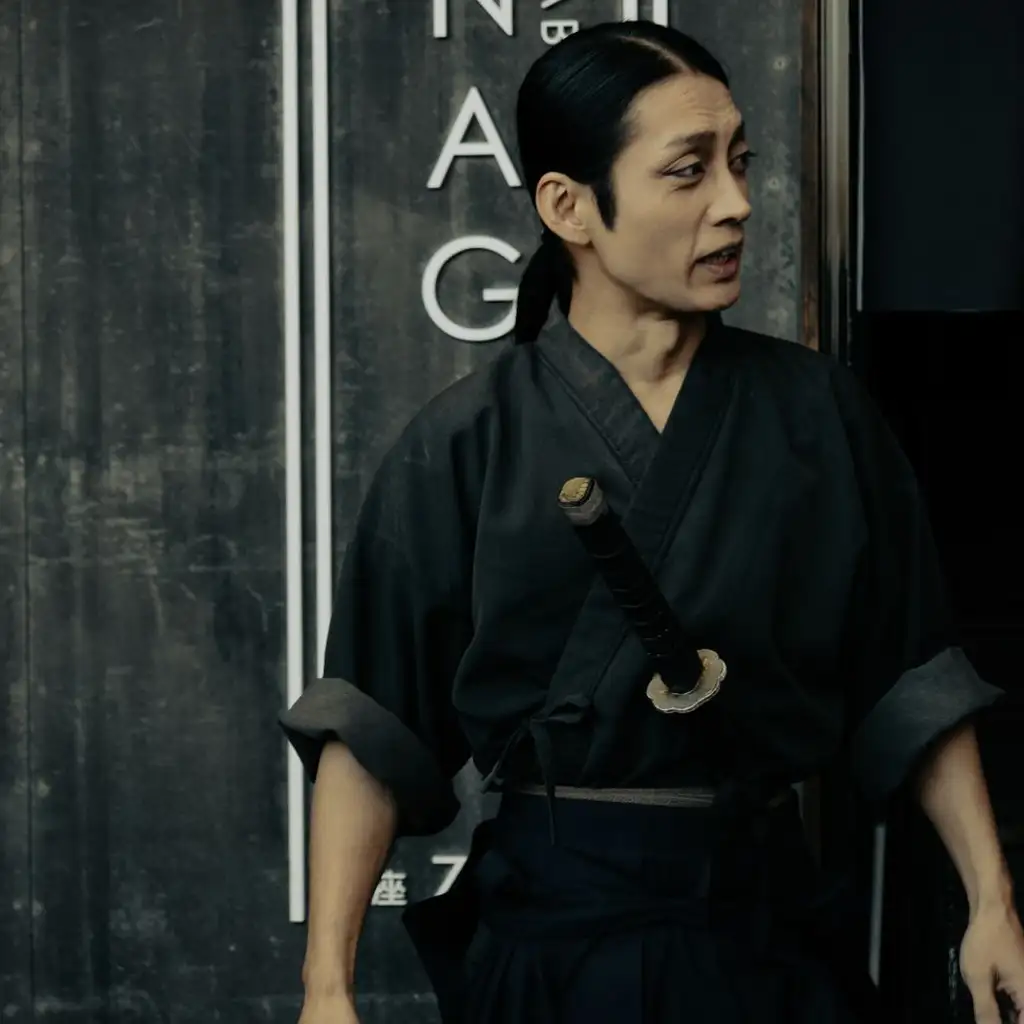
The katana, more than just a weapon, stands as a symbol of Japanese artistry and tradition. Each sword carries its own story, crafted by skilled artisans who have perfected the art over centuries. These legendary blades are celebrated worldwide for their exquisite beauty and unmatched sharpness. This article explores some of the most famous katana, highlighting their unique features and the master smiths who created them. Among these, the Tenka-Goken, or “Five Greatest Swords Under Heaven,” includes three national treasures of Japan, one held by the imperial family, and another revered as a sacred relic in Nichiren Buddhism.
To appreciate these swords, one must first understand the katana’s historical significance. With its distinct curved blade, the katana has been a staple of samurai weaponry since the late 12th century. Its legendary sharpness and cutting ability are the result of advanced forging techniques and the use of high-quality tamahagane steel. Throughout history, many swordsmiths have achieved fame for their craftsmanship, with some katana being designated as national treasures of Japan.
The Tenka-Goken: Five Greatest Swords Under Heaven
The Tenka-Goken represents a collection of five Japanese katana, esteemed as some of the finest and most influential swords in history.
Onimaru Kunitsuna: The Demon Sword
Crafted in the 12th century by Kunitsuna of the Awataguchi school, the Onimaru Kunitsuna is a national treasure and one of the “Five Swords Under Heaven.” The name “Onimaru” translates to “demon sword,” reflecting its formidable cutting power and legendary ability to vanquish demons. This katana is preserved at the Atsuta Shrine, celebrated as a prime example of katana craftsmanship.
Dōjigiri: Demon Slayer
The Dōjigiri, a tachi displayed at the Tokyo National Museum, was forged between the 10th and 12th centuries by Hōki-no-Kuni Yasutsuna. As one of the “Five Swords Under Heaven,” Dōjigiri is revered for its historical value and perfection. Legend has it that Minamoto Yorimitsu used this sword to defeat the demon Shuten Dōji, earning it the nickname “Dōji slayer.”
Mikazuki Munechika: The Moon Hamon
Crafted by Munechika in the 10th century, the Mikazuki Munechika is famed for its crescent-shaped hamon patterns. Renowned for its beauty and sharpness, this katana is housed in the National Museum in Tokyo as a national treasure.
Juzumaru: The Sacred Rosary Sword
Forged by Tsunetsugu of the Ko-Aoe school, the Juzumaru is praised as one of the Tenka-Goken. Legend tells of its gifting to the Buddhist reformer Nichiren, who saw it as a “destroyer of injustice.” It is currently displayed at the Honkouji Temple in Hyogo Prefecture.
Ōdenta: The Finest Sword of Denta
The Ōdenta, a tachi and national treasure, is part of the Tenka-Goken. It is linked to legends of healing and protection, adding to its mystique and historical significance.
Legendary Swords and Their Mysteries
These legendary swords are not only historically significant but also embody Japanese culture, often symbolizing courage, honor, and strength.
Muramasa: The Cursed Sword
Katana forged by Muramasa in the 16th century are shrouded in mystery and known for their sharpness. Believed to be cursed, they were banned by the Tokugawa shogunate, yet some survived and are now prized by collectors.
Honjo Masamune: The Lost National Treasure
Considered the finest katana ever made, the Honjo Masamune was crafted in the 14th century by Masamune. Known for its sharpness and balance, it was a Tokugawa family heirloom but was lost after World War II, remaining a captivating mystery.
Yamato Takeru: The Hero Sword
Yamato Takeru’s sword, Kusanagi-no-Tsurugi, is legendary in Japanese history. It symbolizes courage and is celebrated in art and stories, continuing to inspire enthusiasts globally.
Kusanagi-no-Tsurugi: The Mythical Sword
This sword, discovered by the god Susanoo, is one of Japan’s Imperial Regalia. While its existence is uncertain, it remains a powerful symbol in Japanese culture and media.
Kotetsu: Strength and Beauty
Created by Nagasone Kotetsu in the 17th century, Kotetsu is renowned for its strength, beauty, and distinctive damascus patterns. It symbolizes the art of katana forging, inspiring modern smiths.
The stories of these famous katana are a testament to Japan’s rich history and culture. These legendary swords, crafted by master artisans, continue to captivate and inspire enthusiasts of history, art, and katana worldwide.