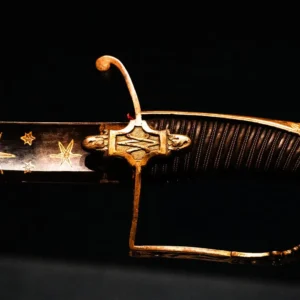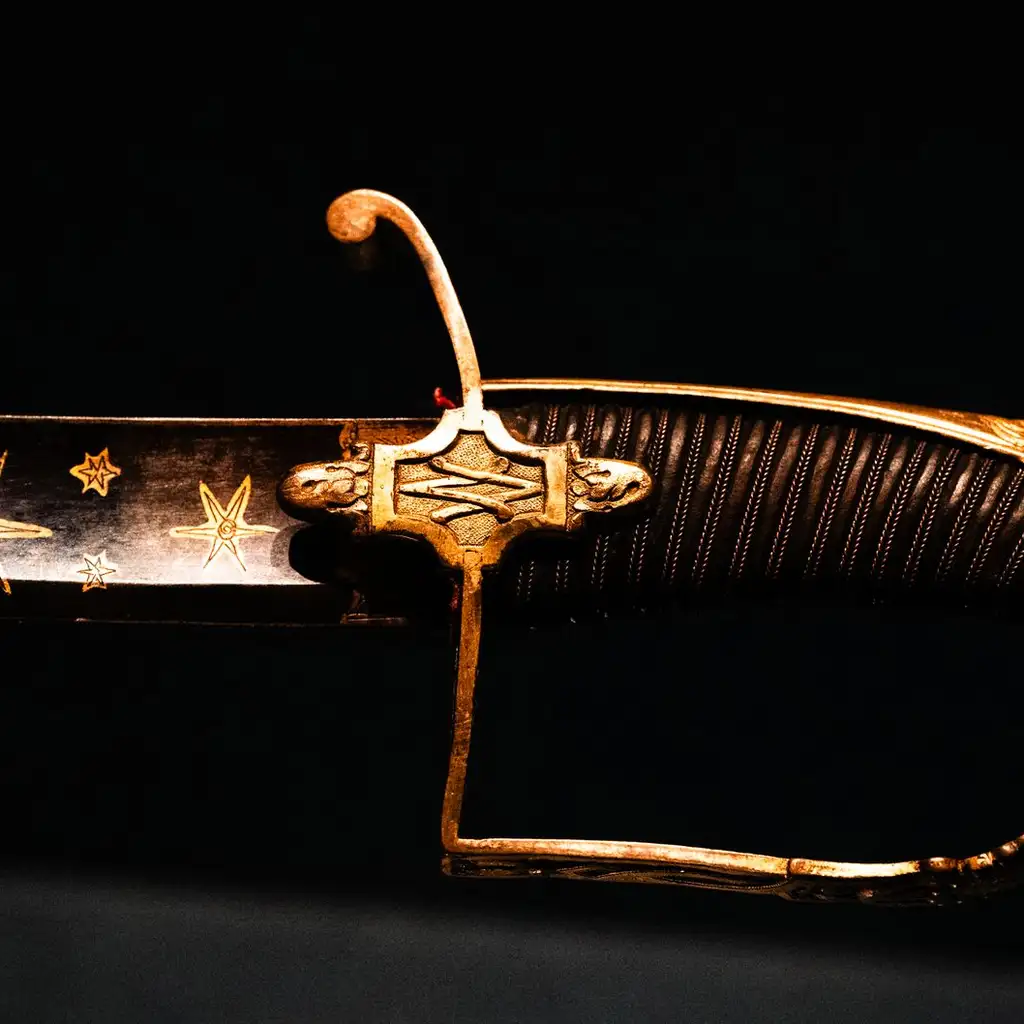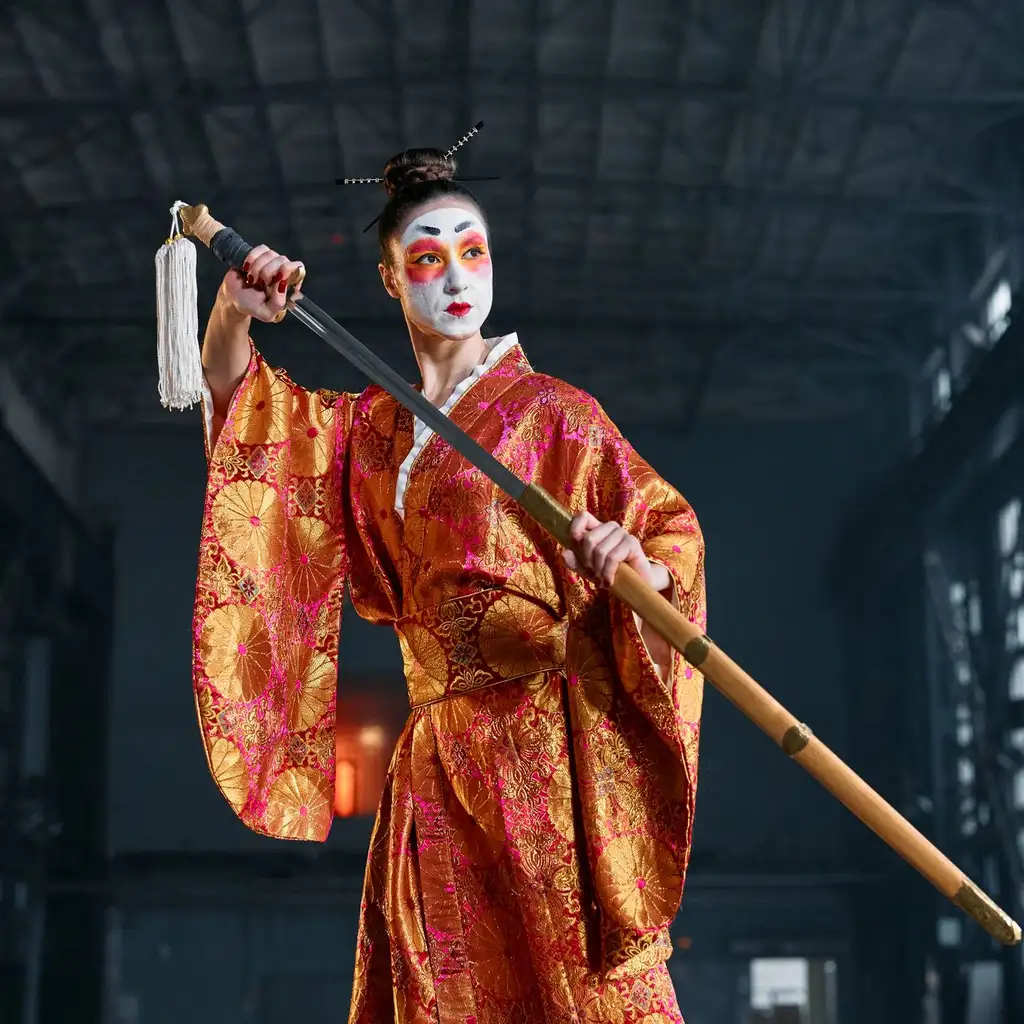
For centuries, Japanese swords have captivated the imagination of many, from the iconic Katana to the graceful Wakizashi. These swords are not just weapons; they are a testament to Japan’s rich cultural legacy, embodying stories of tradition, craftsmanship, and honor. Enthusiasts, collectors, and martial artists view these swords as tangible connections to a storied past.
The allure of Japanese swords lies in their seamless blend of functionality and beauty. Crafted with meticulous precision, each blade is forged using age-old techniques passed down through generations. The use of tamahagane steel, combined with the repeated folding of metal, ensures exceptional strength and flexibility, making these swords admired worldwide.
Historical Significance
Japanese history is deeply intertwined with its swords, which served as both weapons and symbols of power and honor. Swordsmithing reached its zenith during the Edo period, producing some of the most magnificent swords the world has ever seen.
The Iconic Katana
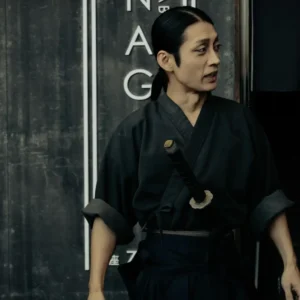
The Katana is often the first sword that comes to mind when thinking of Japanese weaponry. Known for its elegantly curved blade and refined handle, the Katana is unmatched in maneuverability and sharpness. Traditionally worn by samurai, it symbolized their social status and warrior spirit.
Other Japanese Swords
While the Katana is renowned, it was not the first Japanese sword. The Chokutō, a straight sword influenced by Korean and Chinese designs, dates back to before the 10th century. The Tachi, with its distinctive curve, was used by samurai on horseback. As warfare evolved, the Tachi was replaced by the Uchigatana, which was lighter and more suited for ground combat.
The Wakizashi, often paired with the Katana in the samurai’s daisho set, is a shorter sword known for its precision in close combat. The Tanto, a short dagger, was versatile for both combat and daily tasks. The Odachi and Nodachi, with their impressive size, were used on battlefields to strike down horses and opponents.
Training Swords
For training purposes, the Bokken, a wooden sword, is popular due to its similarity in shape to the Katana. The Iaitō, a metal sword without a sharp edge, is used in iaido practice. The Shinai, made of bamboo, is used in kendo for safe, full-contact practice.
Craftsmanship and Meaning
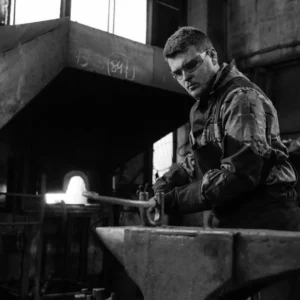
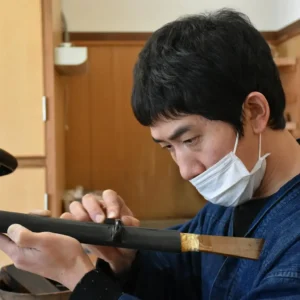
Ancient handcrafted swords made with traditional tamahagane steel are considered art forms, showcasing the unparalleled skills of swordsmiths. This steel, produced from iron sand, was hammered and folded to achieve the desired hardness and flexibility.
Japanese swords transcend their role as mere weapons; they are symbols of Japan’s rich history. Whether it’s the iconic Katana, the versatile Wakizashi, or the practical Tanto, each sword has its unique characteristics and functions. These swords continue to inspire admiration and are appreciated by historians, martial artists, and collectors alike.
In contemporary times, Japanese swords are not only valued for their historical significance but also as unique decorative pieces and valuable collectibles. They represent a centuries-old tradition that continues to captivate the imagination of people worldwide.