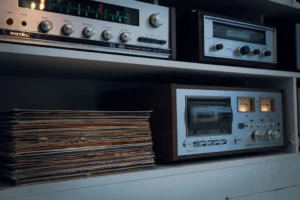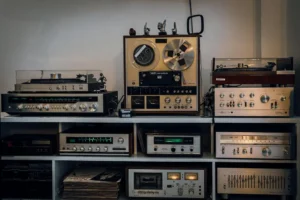
At ecoustics, we often find ourselves addressing the question of why we favor vintage audio equipment over contemporary options. While our enthusiasm for vintage gear is strong, it’s not a sentiment shared by everyone.
Our Editor-in-Chief, Ian White, recently received some feedback from a professional in the high-end audio industry on LinkedIn, which was paraphrased as follows:
Regarding loudspeakers: “Modern high-end speakers offer excellent budget models with cutting-edge technology. Vintage speakers tend to be boxy and colored. We purchase speakers to listen through them, not to hear the speakers themselves.”
Regarding amplification: “There are excellent modern budget amplifiers available. Promoting vintage gear, which may introduce distortion, doesn’t support hi-fi shops already facing challenges.”
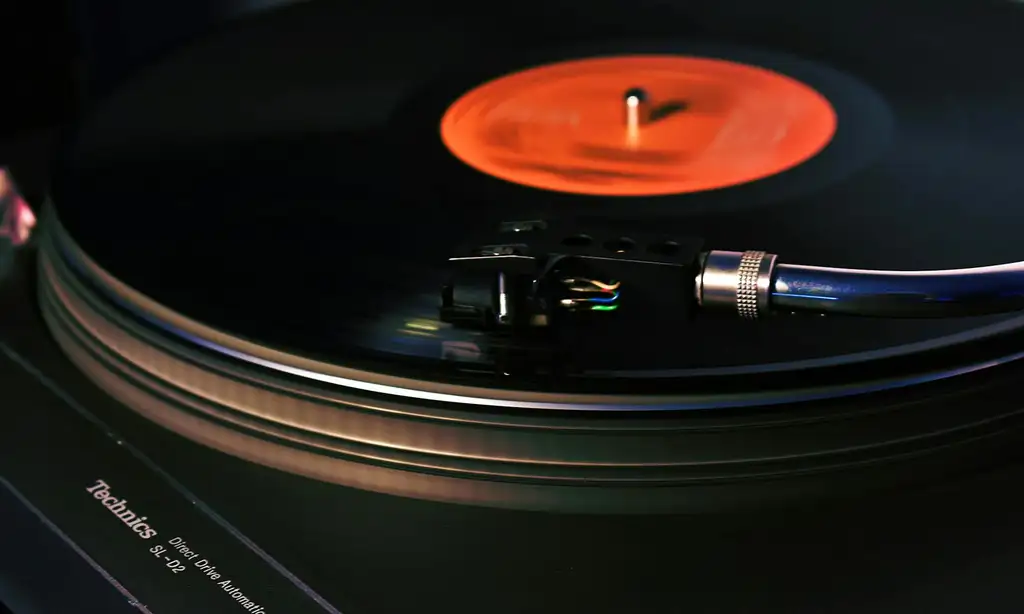
Regarding turntables: “Many older turntables underperform. Directing people to the used gear market isn’t progressive or beneficial.”
While I recognize the merits of modern budget audio equipment, which we frequently highlight, vintage audio continues to captivate a significant portion of our audience. In the first half of 2021, affordable and vintage audio were our most popular categories.
Critics of our vintage audio content often overlap with those advocating for high-priced audio components as “affordable” high-end options. A balanced perspective is essential.
It’s true that not all vintage equipment is of high quality, but it’s unjust to generalize. Many items now considered “modern vintage” were once cutting-edge and highly praised by leading stereo publications.
Why Opt for Vintage Audio?
Here are several reasons why I favor vintage audio equipment, with a focus on amplifiers, though the reasoning applies to turntables and speakers as well.
Affordability
Vintage gear often comes at a lower cost compared to modern counterparts. Entry-level modern audiophile amplifiers start around $400-$500, with prices escalating quickly for higher tiers. In contrast, vintage equipment offers a wide range of quality options at more budget-friendly prices, although some brands like Marantz and McIntosh are more expensive.
Emphasis on Analog Simplicity
During the “golden era” of audio (mid-1960s to mid-1980s), amplifiers were crafted for simplicity and quality, focusing on analog inputs without the need for frequent updates. Modern amplifiers, loaded with features like digital inputs and streaming capabilities, often include functions users may not need, adding unnecessary cost.
Sound Quality
Sound preference is subjective among audiophiles. Some seek warmth, others transparency, or specific bass characteristics. Both modern and vintage systems can be tailored to these preferences. Ultimately, it’s about whether the music resonates with you emotionally.
Design and Craftsmanship
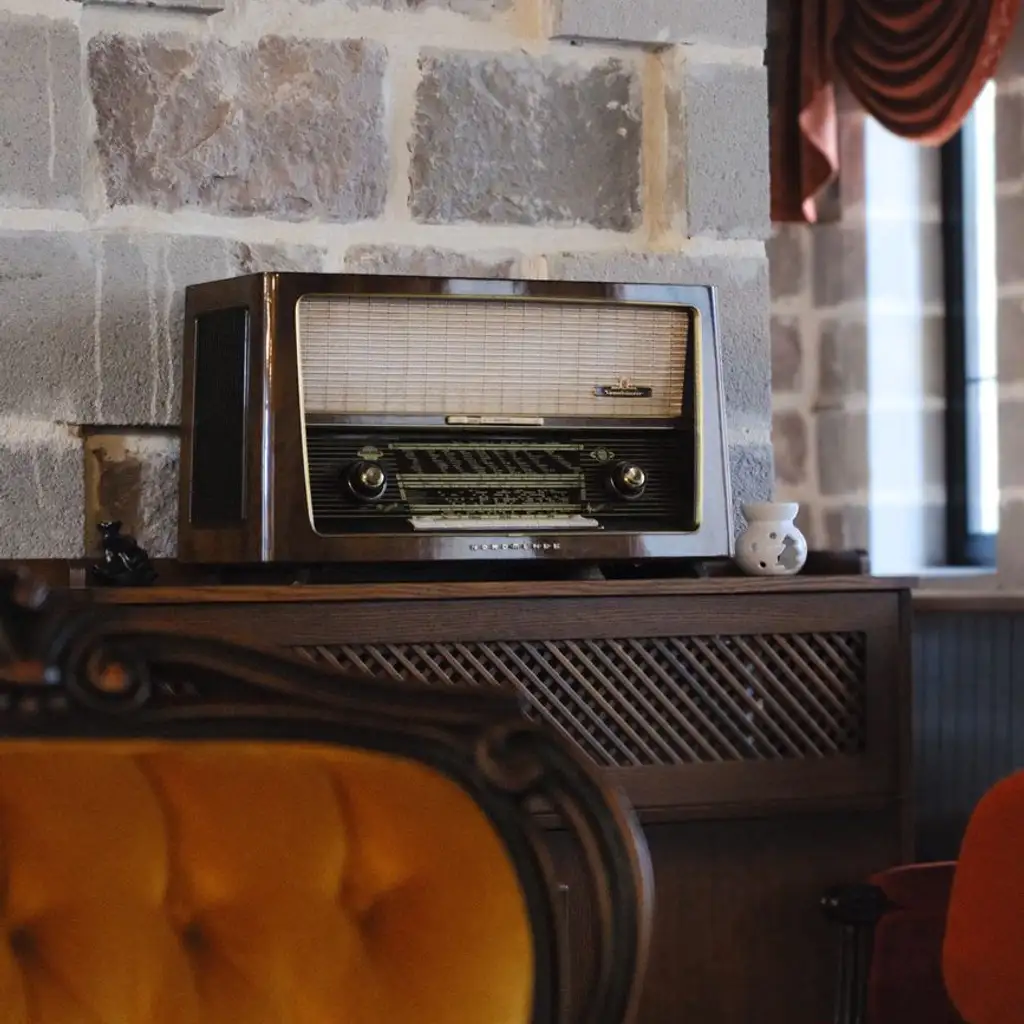
There’s a growing nostalgia reflected in audio design, with many manufacturers drawing inspiration from vintage aesthetics. Vintage audio equipment, often built to last with quality materials, offers a timeless appeal that modern gear sometimes lacks.
Environmental Impact
Opting for vintage audio can be environmentally friendly, reducing the demand for new products and keeping older equipment out of landfills. This choice supports repair and retail jobs in the vintage market.
Availability
While supply chain disruptions have affected the availability of new equipment, vintage gear remains accessible through various platforms, offering immediate options for enthusiasts.
Heritage and Stories
Every vintage piece carries a story, from its origins to previous owners. Owning such equipment connects you to its history, adding sentimental value and character.
In conclusion, my passion for vintage audio is driven by its affordability, simplicity, sound quality, design, environmental benefits, availability, and the rich stories each piece holds. This is why I continue to explore and enjoy vintage audio, sharing my experiences with the ecoustics community and beyond.