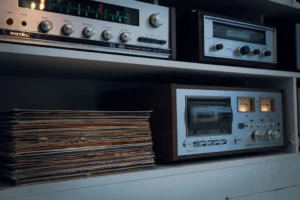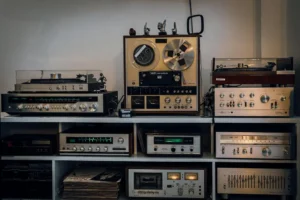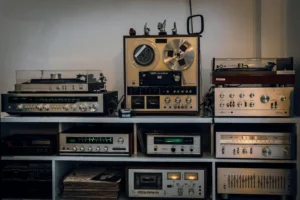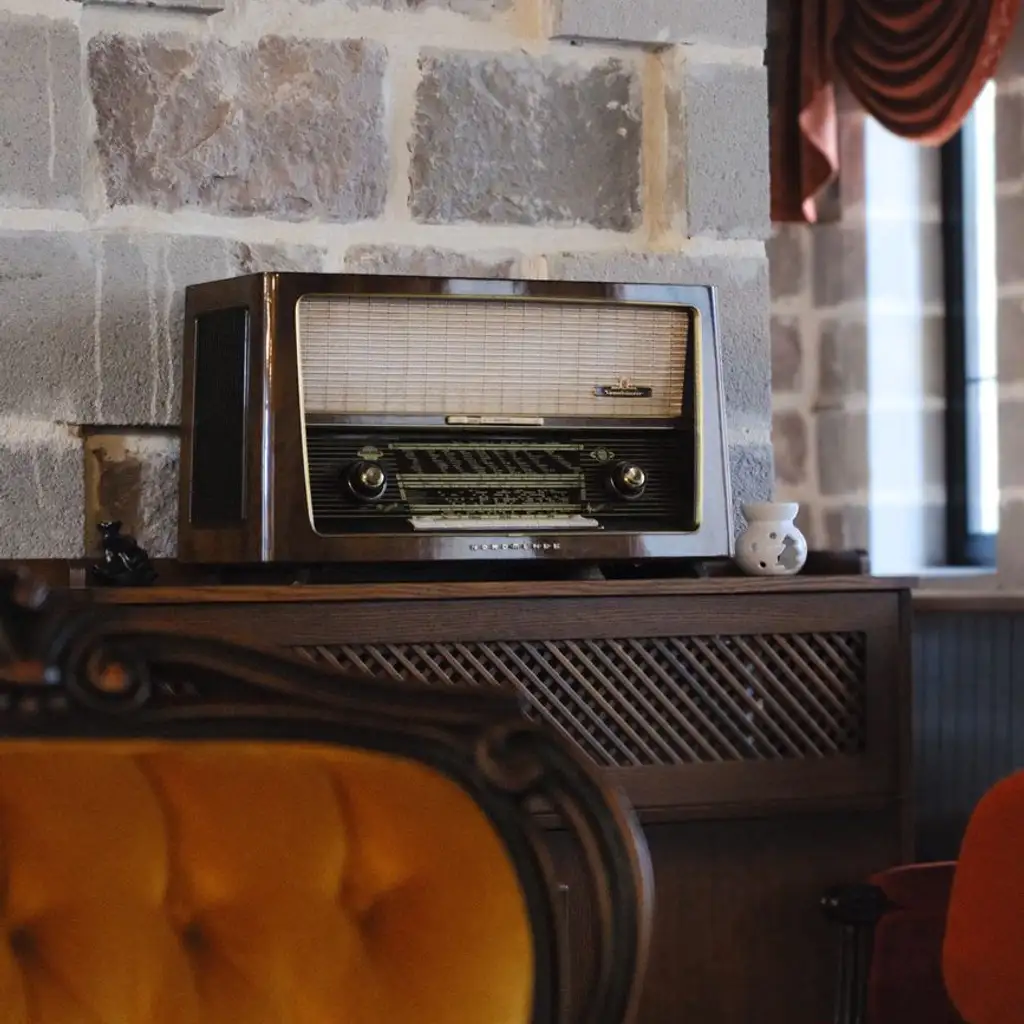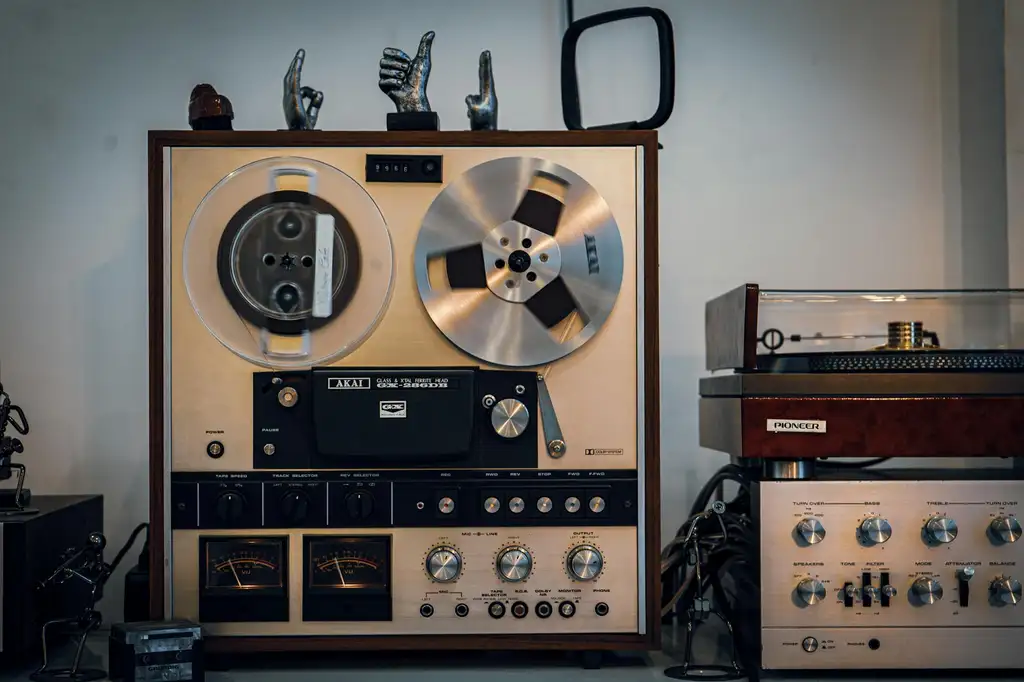
Diving into the realm of vintage audio is an exhilarating pursuit for enthusiasts who cherish nostalgia and superior sound quality. My personal journey has been defined by a dedication to pre-owned and vintage audio gear. Apart from a new phono cartridge from Audio-Technica, I have consistently opted for second-hand equipment. Our brief experiment with home theater was short-lived due to space limitations, prompting us to pass it on.
My search for vintage audio treasures has led me to numerous locations. This week, let’s embark on a road trip to discover audio gems while discussing crucial tips for navigating this path to auditory bliss.
The appeal of vintage and used high-end audio lies in its affordability and nostalgic charm. However, not every vintage find is a worthwhile investment; some are simply outdated relics. Conducting thorough research is essential to avoid acquiring a dud.
Essential Tips for Buying Used Audio Equipment
When purchasing used audio equipment, applying common sense is crucial. Always test the equipment, ensuring you have a basic understanding of its functionality. A seemingly expensive piece could have a hidden history of malfunctions or damage.
Research the component thoroughly to understand how to test it. If you lack the skills or inclination to assess equipment, refrain from impulsively buying a 60-year-old tube amplifier and plugging it in. Untested vintage equipment can pose safety risks.
Evaluating Amplifiers and Receivers
When assessing amplifiers or receivers, consider the following:
- Does it power up and down correctly?
- Do both channels function?
- Are all inputs operational?
- Are switches, knobs, and buttons intact?
- Is the chassis in good condition?
- Does it smell of smoke or mold?
- Are the transformers in good shape?
- Are the jacks secure?
- Does it have bonus features like a phono stage or equalizer?
Inspecting Turntables
Turntables demand a more detailed inspection. Ensure the following are in order:
- Is the motor functioning?
- What is the condition of the pulley and plinth?
- Are the feet adjustable?
- Can the platter be removed easily?
- Is the bearing in good condition?
- Are replacement belts available?
- How are speeds changed?
- Do all switches and the tonearm work?
Assessing Loudspeakers
When evaluating loudspeakers, consider:
- Is the cabinet in good condition?
- Are there any strange odors or water damage?
- Do the drivers work properly?
- Are replacements available for broken drivers?
- Are the binding posts intact?
Where to Find Vintage Audio Equipment
Finding vintage audio equipment involves exploring various avenues:
Online Platforms
Platforms like eBay, Craigslist, and Facebook Marketplace offer vast inventories. While eBay provides a generous return policy, local platforms allow for testing before purchase. Always be cautious of scams and clarify shipping details.
Record Shops and Thrift Stores
Record stores have begun selling used audio equipment, providing opportunities to test items. Thrift stores can also be treasure troves, though they are becoming more market-savvy.
Estate and Garage Sales
These sales can yield incredible finds, but they require patience and a bit of luck. Always be ethical in your dealings, offering fair prices for valuable items.
Embarking on the hunt for vintage audio is a rewarding journey. As your experience grows, so will your confidence in identifying quality pieces. Engage with the community, conduct thorough research, and enjoy the pursuit of audio excellence. Good luck!