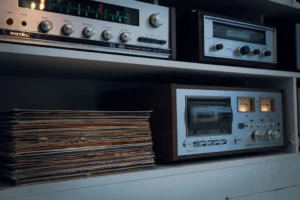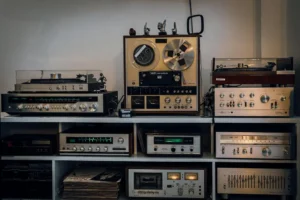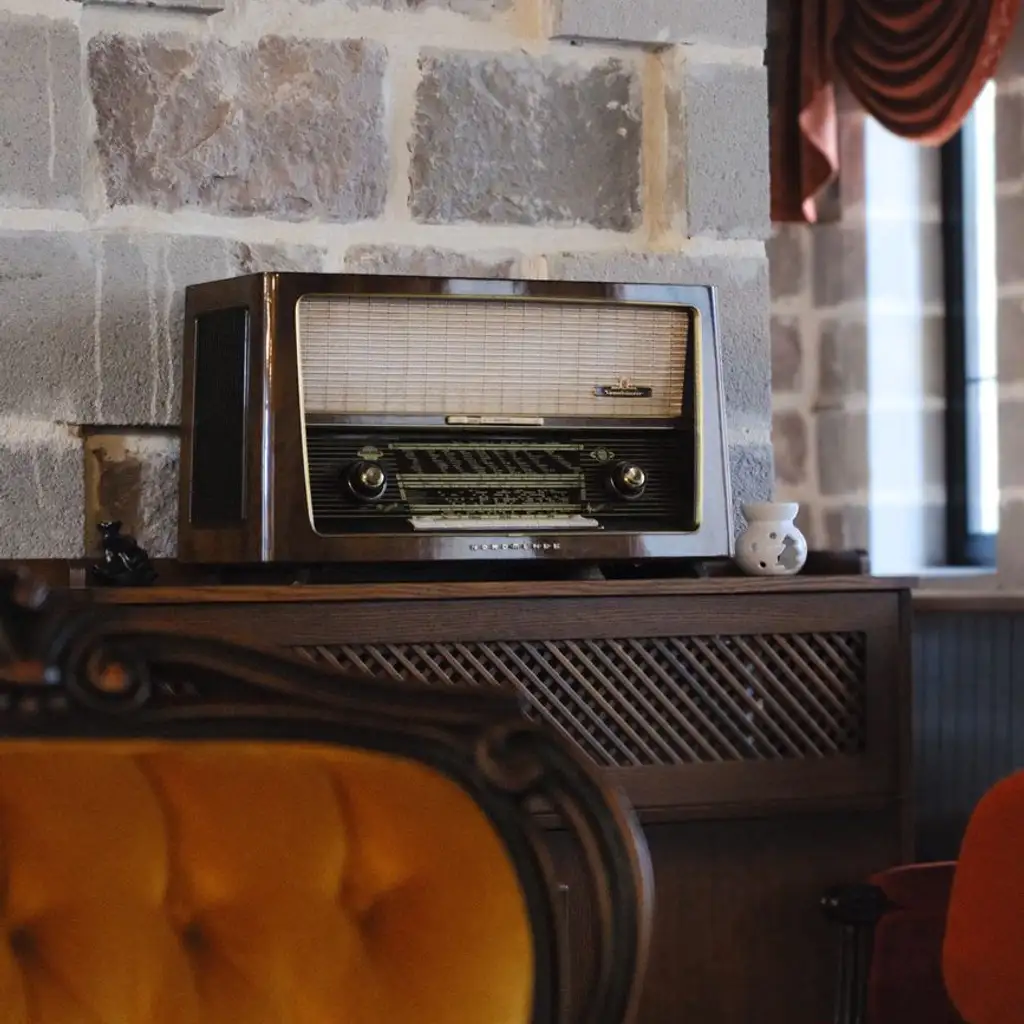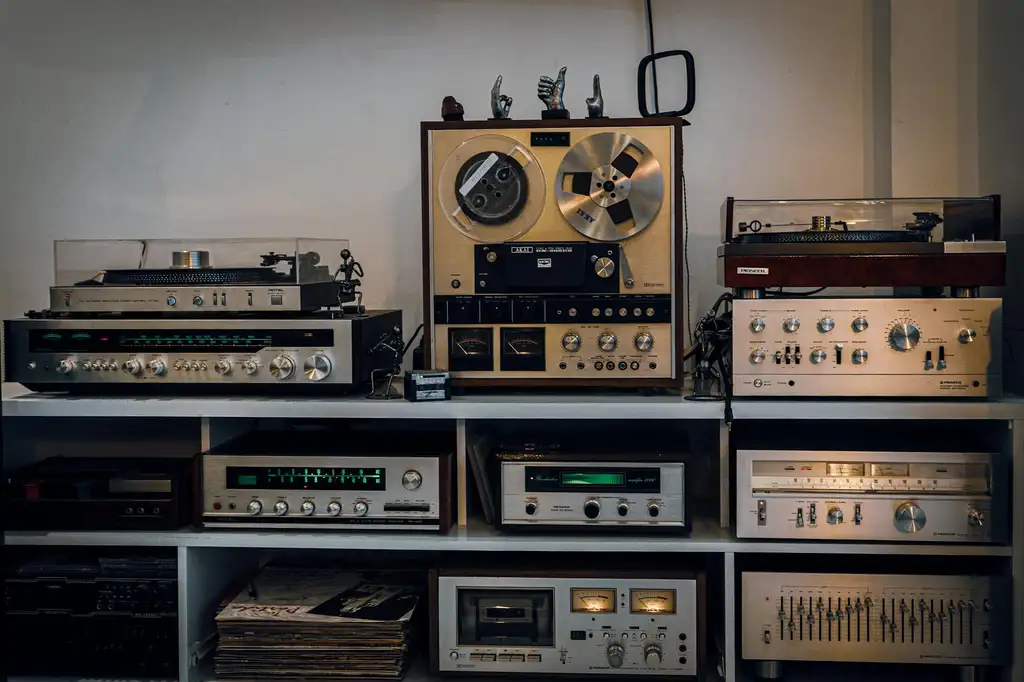
Recently, a close friend and I found ourselves deep in conversation about audio systems. As a frequent visitor to our home, he couldn’t help but notice the array of vintage audio setups that adorn nearly every corner. For us, music is an art form, and vintage audio systems are our canvas.
My friend owns a Sonos system, which has been giving him trouble for the past six months. Despite numerous emails, phone calls, and firmware updates, the issues persist, leading to mounting frustration. It’s unfortunate, especially since the Sonos S2 streaming app is quite impressive.
He lamented, “It shouldn’t be this hard,” and I wholeheartedly agreed.
During their last visit, he and his wife expressed a keen interest in exploring the world of vintage audio. Known as the Vintage Audio King of Buffalo, I was more than happy to guide them. They asked insightful questions about sourcing quality components, where to look, what to consider, and the potential costs involved.
Embarking on a Vintage Audio Journey
Excited to start their journey, I invited them over for a session I called “Vintage Audio 101.” We toured the house, discussing the differences between 2-way and 3-way loudspeakers, sealed versus ported designs, and various loudspeaker technologies and brands.
We delved into power specifications, clarifying what they truly mean. Then, we shifted focus to receivers and amplifiers, deciding against tube components due to their young sons’ curiosity about the glowing “light bulbs” inside.
Choosing the Right Components
Safety is crucial with electronics, especially vintage ones that may lack protective covers. We focused on solid-state receivers, particularly the Marantz 2245 and Harman Kardon 730, both mid-1970s models renowned for their sound quality and design.
My friend was surprised to learn that 40 watts could fill a room with sound at conversation levels. We agreed that 40-60 watts is ideal for a vintage receiver. However, he was taken aback by the current price of the Marantz unit, a reflection of its scarcity and demand.
The Harman Kardon 330/430/730 series remains more reasonably priced.
Finding the Perfect Speakers
Next, we visited their home to assess the room for their new system. It was spacious but had windows that complicated speaker placement. Thus began the search for suitable loudspeakers.
We found a pair of Design Acoustic PS-10 speakers locally at a fair price. These small 3-way speakers, with a walnut-grain vinyl veneer, were a perfect fit for their room. The PS-10s, designed for use with amplifiers rated at 15 to 250 watts per channel, boast a frequency response of 48 Hz to 22,000 Hz.
Building the System
With speakers secured, we needed a receiver. I offered my Harman Kardon 730 and Technics SL-1700 turntable. The HK 730, with its “twin power” design, is a favorite of mine. The Technics SL-1700 is a reliable, easy-to-maintain vintage turntable.
We gathered cables and banana pins, ready to assemble the system. Replacing the Sonos wireless speaker with these superior components was satisfying. We added an Amazon Echo Input for streaming from Apple Music, although a Dongle DAC would improve sound quality.
Enjoying the Vintage Experience
Watching them experience a vintage audio system for the first time was rewarding. I provided a quick tutorial on the Harman Kardon receiver, explaining its features and letting them adjust the sound to their liking.
Our mission was accomplished. I’m grateful to Scott for parting with the Design Acoustic PS-10s and allowing us to enjoy them. Community is vital in this journey, and you never know who you might meet along the way.