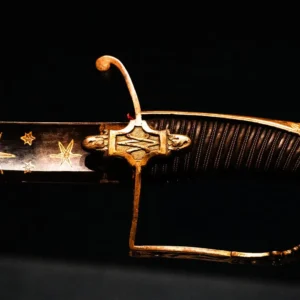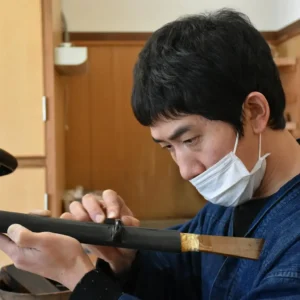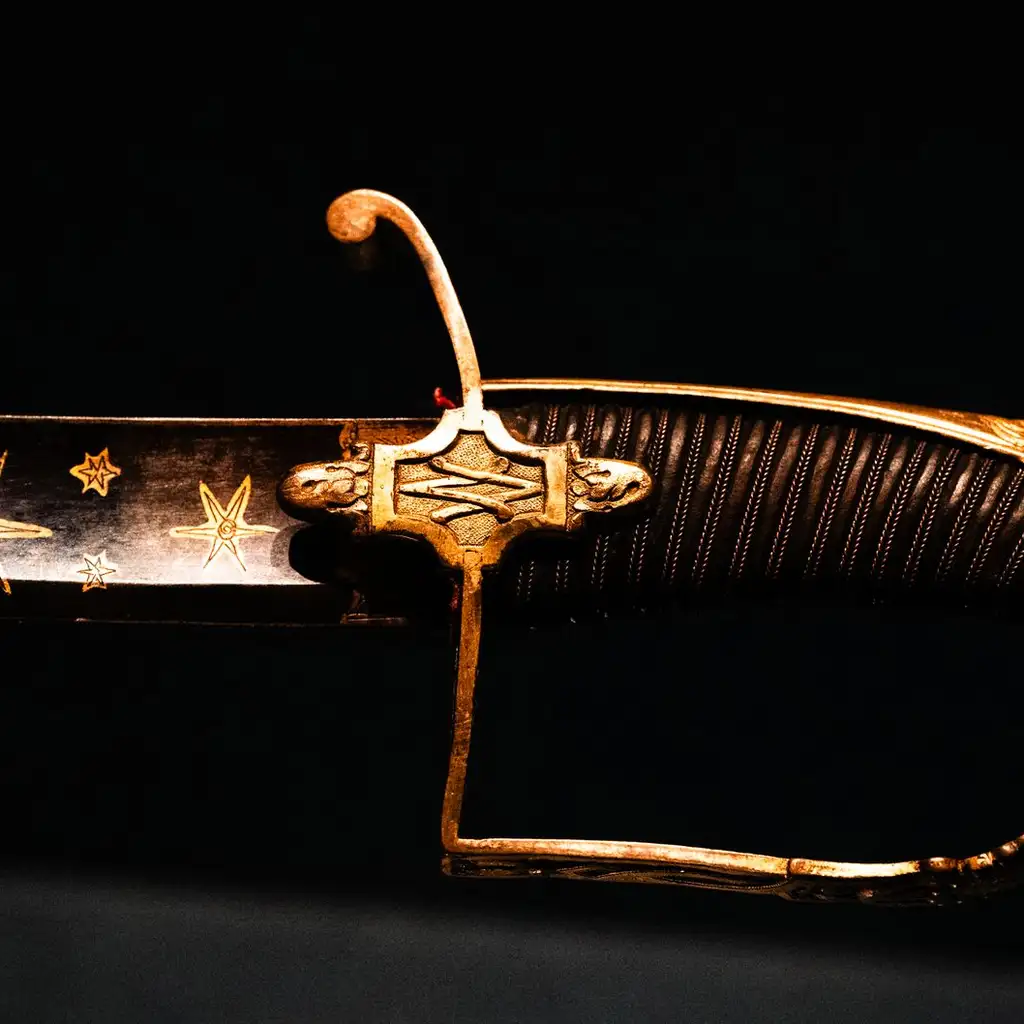
In the heart of Misato, Saitama Prefecture, the rhythmic clang of metal echoes through the workshop of Akihira Kawasaki, a master swordsmith. Here, amidst the glow of flying sparks, Kawasaki and his apprentice breathe life into the ancient art of katana forging, a tradition that has captivated enthusiasts for over a thousand years.
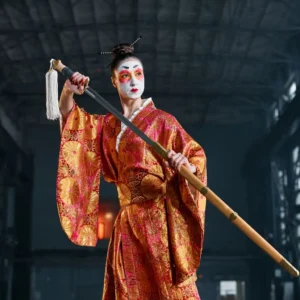
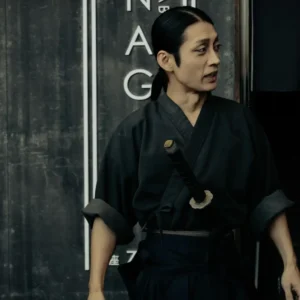
Despite the challenges posed by an aging and dwindling community of swordsmiths in Japan, the allure of the katana is experiencing a remarkable revival. This resurgence is largely fueled by a younger demographic, particularly women, who are drawn to the cultural significance and artistry of these iconic blades. The surge in interest can be attributed to the influence of popular media, with video games like “Touken Ranbu” – where swords are personified as attractive warriors – playing a pivotal role. Additionally, the widespread popularity of anime series such as “Demon Slayer” and international productions like “Shogun” have further amplified the fascination with Japanese swords.
The Cultural Renaissance of Japanese Swords
The renewed interest in katana is not merely a fleeting trend but a cultural renaissance that underscores the enduring legacy of Japanese craftsmanship. As these swords gain traction among new audiences, they symbolize a bridge between Japan’s storied past and its dynamic present. The intricate process of forging a katana, from selecting the finest steel to the meticulous folding and tempering techniques, reflects a deep respect for tradition and an unwavering commitment to excellence.
For many enthusiasts, owning a katana is more than acquiring a piece of art; it is an opportunity to connect with a rich cultural heritage. The swords are revered not only for their aesthetic beauty but also for their historical significance, representing the spirit of the samurai and the values of honor and discipline.
Challenges and Opportunities for Swordsmiths
While the growing interest in katana presents exciting opportunities, it also poses challenges for the swordsmith community. The craft requires years of dedication and skill, and the number of artisans capable of producing authentic swords is dwindling. As the older generation of swordsmiths retires, there is an urgent need to pass on their knowledge to younger apprentices who can carry the tradition forward.
Efforts are being made to preserve this invaluable craft through educational programs and workshops that aim to inspire and train the next generation of swordsmiths. By fostering a deeper understanding of the art and its cultural significance, these initiatives hope to ensure the survival of katana forging for years to come.
The Global Appeal of the Katana
The fascination with Japanese swords extends beyond national borders, capturing the imagination of collectors and martial arts practitioners worldwide. The katana’s sleek design and legendary sharpness have made it a coveted item for those seeking to own a piece of Japanese history. International exhibitions and collaborations with artists and designers have further elevated the status of the katana as a symbol of elegance and precision.
As the global appreciation for Japanese swords continues to grow, it highlights the universal appeal of craftsmanship and the timeless allure of the katana. This renewed interest not only supports the livelihoods of swordsmiths but also reinforces the cultural significance of their work in a modern context.
In conclusion, the resurgence of interest in Japanese swords is a testament to the enduring power of tradition and the ability of cultural artifacts to transcend time and geography. As new generations discover the beauty and history of the katana, they contribute to the preservation and celebration of a craft that remains as vibrant and relevant today as it was centuries ago.