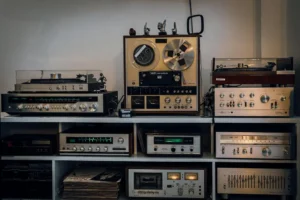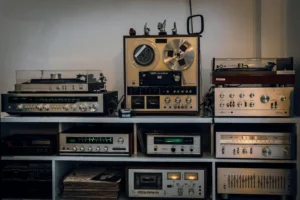
In the world of audio enthusiasts, the debate between vintage and modern equipment is a lively one. At ecoustics, we often find ourselves defending our preference for vintage audio gear, a passion not universally shared. This discussion was recently reignited when our Editor-in-Chief, Ian White, received feedback from a high-end audio industry professional critiquing vintage audio equipment.
Common Criticisms of Vintage Audio
Critics often point out perceived shortcomings in vintage audio gear. For instance, they argue that modern high-end speakers, even budget models, incorporate advanced technology that vintage speakers lack, often describing older models as “boxy” and “colored.” When it comes to amplification, the criticism is that vintage amplifiers are prone to distortion, whereas modern budget amplifiers offer superior performance. Additionally, vintage turntables are often dismissed as inferior, with critics suggesting that steering consumers towards used gear is not a progressive move.
Despite these criticisms, vintage audio continues to captivate a significant audience. In fact, during the first half of 2021, vintage and affordable audio were the most popular categories on our website. This popularity suggests that the appeal of vintage audio is more than just nostalgia; it offers tangible benefits that resonate with many enthusiasts.
Why Vintage Audio Holds Its Charm
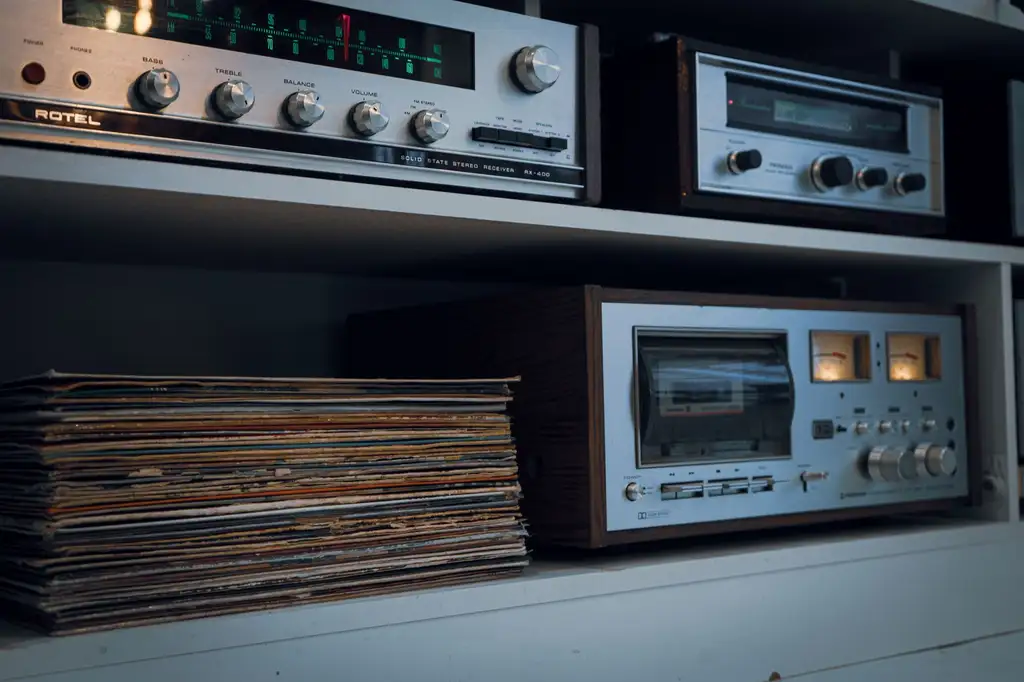
While it’s true that not all vintage audio equipment is of high quality, it’s important to recognize that many products from the 1960s to 1990s were once cutting-edge. These “modern vintage” items are still revered for their craftsmanship and performance. The allure of vintage audio isn’t just about brand loyalty; it’s about the unique qualities these pieces offer.
Advantages of Choosing Vintage Audio
Affordability
One of the most compelling reasons to choose vintage audio is cost. Modern entry-level amplifiers typically start at $400-$500, with limited options below that price. In contrast, vintage equipment offers a wide range of quality options at more accessible prices.
Analog Simplicity
During the golden era of audio, equipment was designed with a focus on quality components and straightforward circuitry. Modern amplifiers, burdened with numerous features, often come with increased complexity and cost.
Sound Preferences
Audiophiles have diverse tastes, with some preferring the warmth of vintage sound and others the clarity of modern systems. Both vintage and modern setups can be tailored to meet individual preferences, making the choice a personal one.
Timeless Style
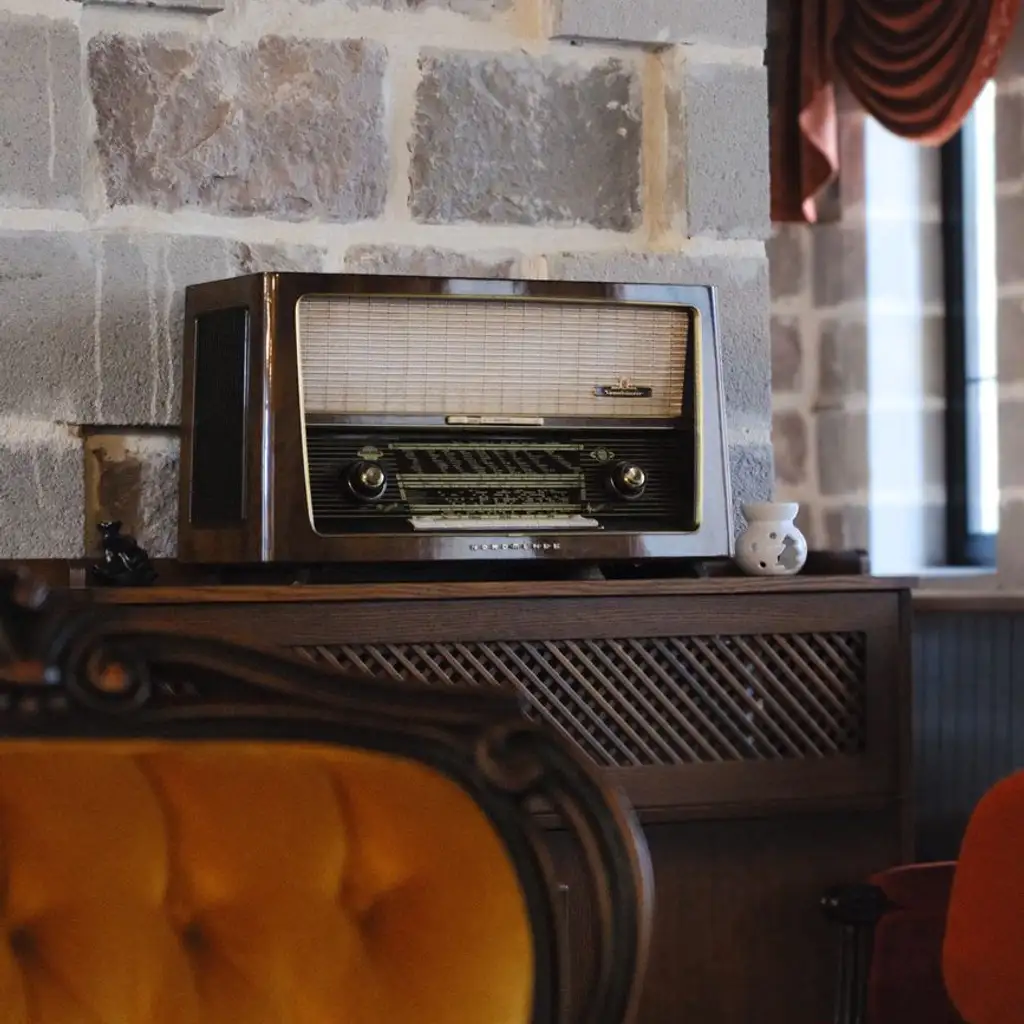
Vintage audio equipment is celebrated for its classic design, which has seen a resurgence in popularity. The aesthetic appeal of vintage gear is undeniable, offering a timeless look that many find attractive.
Durability and Craftsmanship
Built to last, vintage audio equipment often features superior craftsmanship and materials. Many pieces remain in excellent condition decades after their production, a testament to their quality.
Environmental Considerations
Opting for vintage audio is an environmentally friendly choice, as it reduces waste and supports sustainability. It also fosters a market for repair and resale, contributing to local economies.
The Stories Behind the Sound
Each piece of vintage audio equipment carries its own history, whether it’s a cherished family heirloom or a unique find. These stories add depth and character to the listening experience, making vintage audio more than just a hobby – it’s a connection to the past.
For many, including myself, the love for vintage audio extends beyond sound quality. It’s about the stories, the craftsmanship, and the nostalgia that these pieces embody. This passion fuels our ongoing exploration and appreciation of vintage audio gear.