Nestled in the heart of Franklin, New Jersey, the Franklin Mineral Museum offers a captivating experience for those intrigued by geology and history. This museum, situated on Evans Street, has roots that trace back to the 1600s when the land was under the dominion of King Charles II of England. Over the centuries, the land saw numerous ownership changes, leading to disputes over mining rights until the New Jersey Zinc Company unified the properties in 1897. Mining activities persisted until the mine’s closure on September 30, 1954.
The museum’s journey began in 1957, spearheaded by the Kiwanis Club of Franklin, which organized successful annual mineral shows as charity events. These events laid the groundwork for establishing a permanent museum to draw visitors and support charitable initiatives. Officially incorporated on July 1, 1963, the Franklin Mineral Museum, Inc. was the result of a collaborative effort between the Kiwanis Club, local mineral enthusiasts, and the NJ Zinc Company.
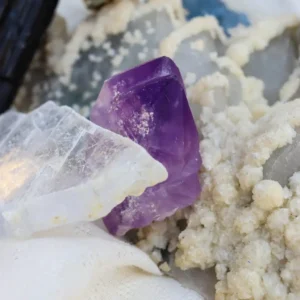
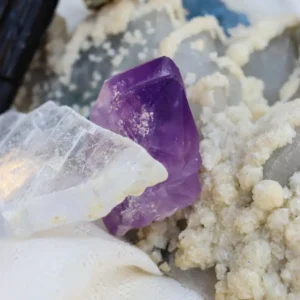
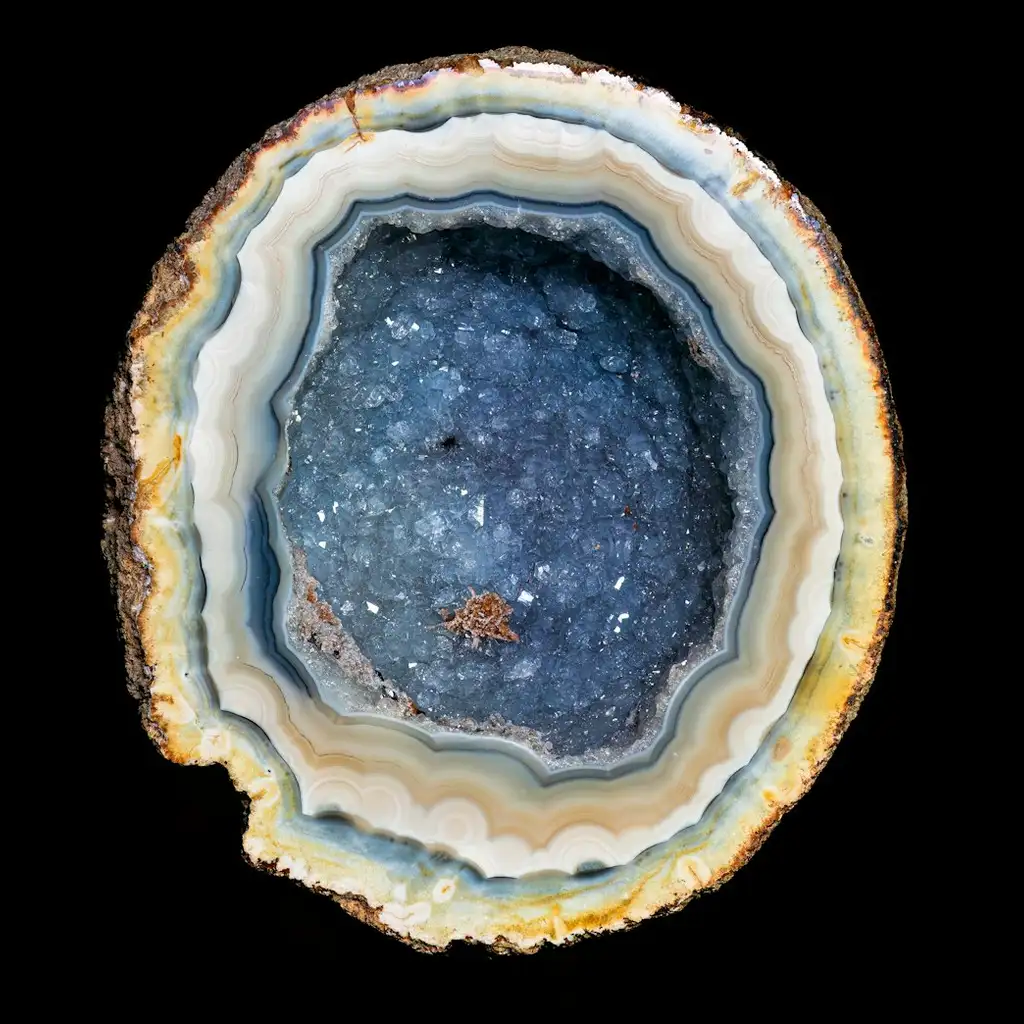
Visitors embarking on the museum tour, which lasts about 45 minutes, start in the local mineral room. Here, they can marvel at a diverse collection of minerals native to Franklin, including Franklinite, Willemite, and Zincite, known as the world’s richest zinc ore. Tour guide and mineral aficionado Andy Richter shares insights, noting, “Willemite is challenging to identify due to its variety of colors.” The knowledgeable staff are always ready to answer any questions from curious visitors.
Discovering the Museum’s Distinctive Exhibits
The tour continues into the Fluorescent Room, where ultraviolet lights illuminate the vibrant glow of various minerals, such as the rare Franklin Wollastonite. Richter highlights, “This is a major collector’s item; none new have been found in over 40 years.” The museum proudly displays over 80 species of minerals discovered in the Franklin area.
Another highlight is the collection of Wilfred “Bill” and Mary Welsh, featuring minerals from every continent except Antarctica. Bill Welsh, a local educator, utilized his collection for teaching before donating it to the museum upon his retirement. The Welsh Room showcases examples of igneous, sedimentary, and metamorphic rocks.
Connecting with Mineral Enthusiasts
Ray Latewiek, a mineralist from Hampton, specializes in minerals with veins or “ribbons,” as miners refer to them. He oversees the museum’s mineral acquisitions and sales, observing, “There’s a resurgence of mineral collectors in the area, and prices have gone up.” Latewiek organizes weekly sales to engage collectors.
For those eager to start their own collection, the museum offers the opportunity to mine for minerals in the Buckwheat Dump. For a fee of $6 per adult and $4 per child, plus $1 per pound, visitors can sift through rocks to discover their own mineral treasures. The museum also features a Fossil Room with human skulls and petrified wood, and an Indian Room showcasing cultural artifacts and stone tools.
Immersing in Mining Heritage
The tour concludes with a visit to the Mine Replica, a structure originally constructed for a 1940 exhibit and later used for miner rescue training. The replica, as chilly as a real mine, displays the equipment used by miners, from candle-lit hats to air pressure drills.
The Franklin Mineral Museum welcomes visitors on weekends until April 1, after which it opens its doors seven days a week. It hosts two annual mineral shows in partnership with the Sterling Mineral Museum: the Earth Science Show in April and the Franklin Mineral Show in September. For further details, visitors are encouraged to contact the museum directly.