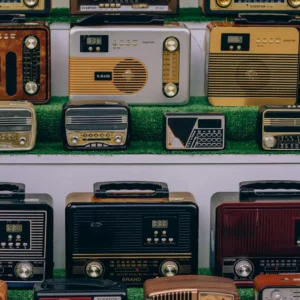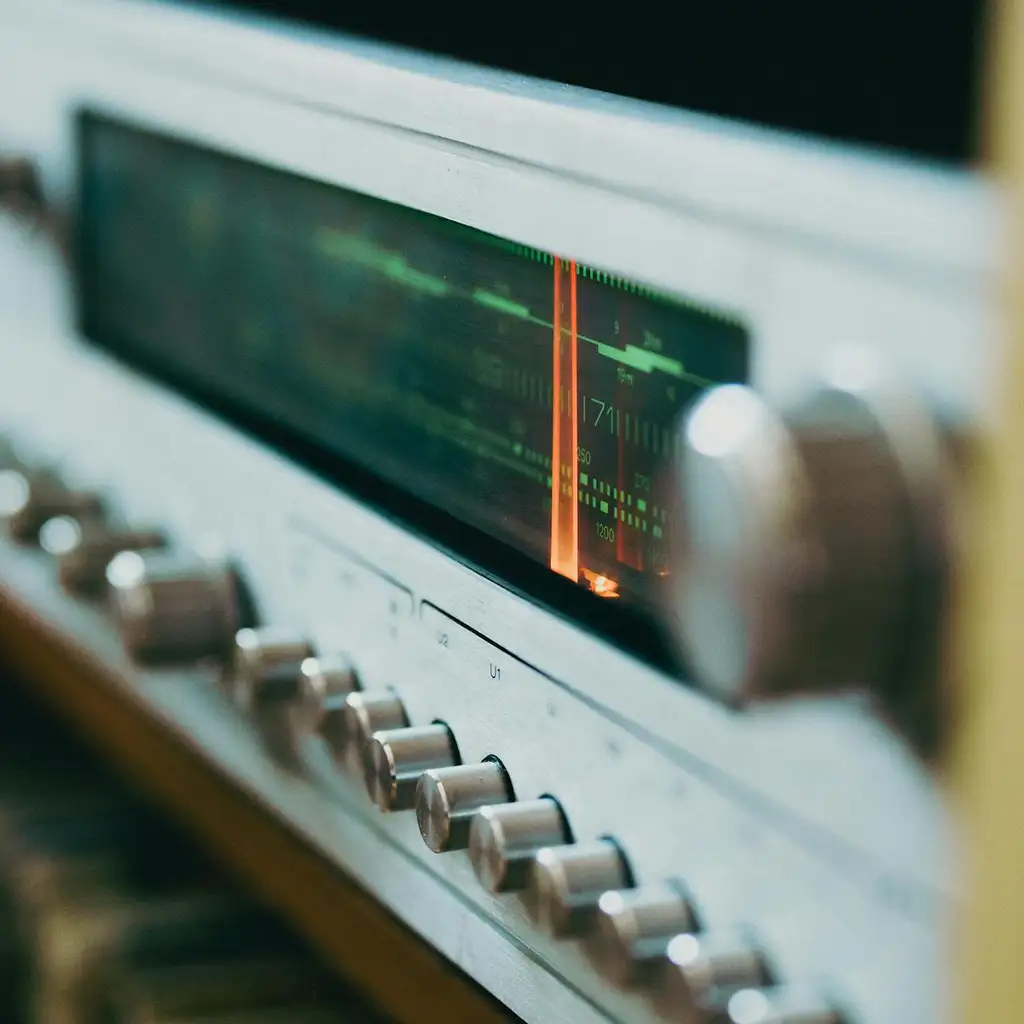
Antique tube radios hold a special place in the hearts of audio enthusiasts, cherished for their vintage allure and superior sound quality. Originating from the 1930s to the 1960s, these radios are not only nostalgic pieces but can also be ingeniously converted into tube amplifiers for contemporary audio systems. This conversion retains their classic aesthetics while enhancing their functionality.
Radios encased in wood are particularly noted for their excellent sound quality. The battery compartments in portable antique radios, such as the Philco 48-360 or Zenith Transoceanics, offer perfect spaces for additional circuitry. When meticulously restored, large furniture-style radios from the late 1930s and early 1940s can deliver a rich, room-filling sound experience.
Key Restoration Guidelines
Safety is paramount when restoring vintage electronics. Essential safety measures include installing a polarized power cord, adding a fuse at the power entry, and ensuring the on/off knob switches the hot mains wire to keep the internal chassis neutral-referenced. These precautions help preserve the radio’s integrity while ensuring safe operation.
Restoration Resources
There are numerous organizations and online platforms dedicated to the restoration of antique tube radios. These resources provide extensive information, from capacitor replacement to comprehensive restoration guides. Books and online communities offer valuable insights for both beginners and seasoned restorers.
Modern Adaptation of Radios
Repurposing antique radios involves circuit modifications that enable them to function as amplifiers without altering their appearance. Simple circuits can integrate external stereo signals with the radio’s internal circuitry, allowing the radio’s on/off knob to control the external audio input.
While there is no one-size-fits-all circuit for all antique radios, the described circuits can be adapted to various radio designs. Components are readily available from electronics suppliers, and the circuits can be assembled on prototyping boards for easy integration.
Integrating External Audio
Circuit schematics for mixing external stereo audio signals into a monophonic tube radio provide galvanic isolation from the radio’s high voltages. Cost-effective solutions are available for table-top radios, while high-fidelity options cater to larger, high-quality radios.
Audio transformers are crucial in these circuits. Affordable options, like the Tamura TY-300PR, are suitable for basic setups, while the Hammond 560G is ideal for high-fidelity needs. Proper cabling ensures clean audio transmission, with shielded audio cables recommended for internal wiring.
Switching Between Audio Sources
A circuit for switching between internal and external audio sources using the radio’s existing on/off knob allows the radio to function as both a traditional radio and a modern amplifier. This setup employs transistors and relays to manage audio routing, ensuring seamless transitions between audio sources.
Modifying the radio’s circuit to accommodate external audio involves interfacing with the volume control knob. This typical circuit configuration integrates the external signal into the radio’s audio path, enhancing the radio’s versatility without compromising its original design.
Practical Application
Repurposing a Zenith Transoceanic AM/shortwave radio as an audio amplifier showcases the potential of these vintage devices. The additional circuitry is neatly housed within the radio’s existing structure, maintaining its vintage appearance. Careful workmanship ensures a safe and effective restoration, resulting in a classic amplifier with a timeless tube sound.
It is crucial to observe safety precautions when working with antique tube radios, as they contain high voltages that pose significant risks. Always use an isolation transformer during restoration and avoid working on powered radios. Understanding electrical safety is essential for successful restoration and modification.