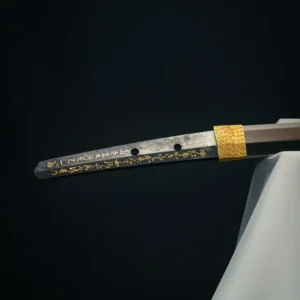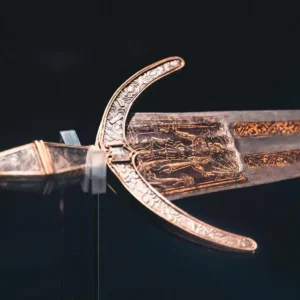
Throughout the annals of history, few weapons have captivated the human imagination like the saber sword and the Damascus sword. These iconic blades are not only testaments to human ingenuity and artistry but also to the martial necessities of their times. Each sword carries its own unique narrative – one of swift cavalry charges and the other of enigmatic forging techniques – yet together, they epitomize the pinnacle of sword-making traditions across diverse cultures and eras.
The Saber Sword: A Masterpiece of Motion
Emerging prominently in the 17th century, the saber sword became integral to cavalry units, which were central to military strategies of the time. Unlike straight-edged blades, the saber’s distinctive curve allowed mounted soldiers to execute slashing attacks with remarkable speed and efficiency. This weapon quickly became synonymous with both practicality and prestige, remaining a symbol of authority and ceremony long after the era of mounted warfare had passed.
Characterized by its lightweight and slightly curved blade, the saber offered unparalleled agility on the battlefield. While heavier swords required brute force, the saber rewarded precision, timing, and skill. Today, it is cherished as both a collector’s item and a symbol of military heritage, celebrated for its perfect blend of functionality and elegance.
Damascus Sword: The Legendary Steel
While the saber sword is admired for its design, the Damascus sword is revered for its material. Originating from the Middle East, Damascus steel gained legendary status due to its strength, flexibility, and ability to maintain an exceptionally sharp edge. The blade’s surface, adorned with swirling water-like patterns, is as beautiful as it is iconic, giving each sword a unique character.
The secrets of crafting Damascus steel were closely guarded, and for centuries, blacksmiths worldwide attempted, often unsuccessfully, to replicate its qualities. Stories of Damascus swords slicing through armor or even other blades only enhanced their mythical status. Despite advances in modern metallurgy, the allure of the Damascus sword remains deeply rooted in its mystery and historical prestige.
Craftsmanship Through the Ages
Both swords reflect the genius of their creators. The saber’s craftsmanship is evident in its form, designed to complement human movement and military tactics. In contrast, Damascus is defined by its steelmaking process, an art that seamlessly fused beauty and performance at a molecular level.
In contemporary reproductions, artisans strive to honor these traditions. Collectors and martial artists value sabers and Damascus blades not merely as tools but as living embodiments of cultural heritage.
Cultural Significance
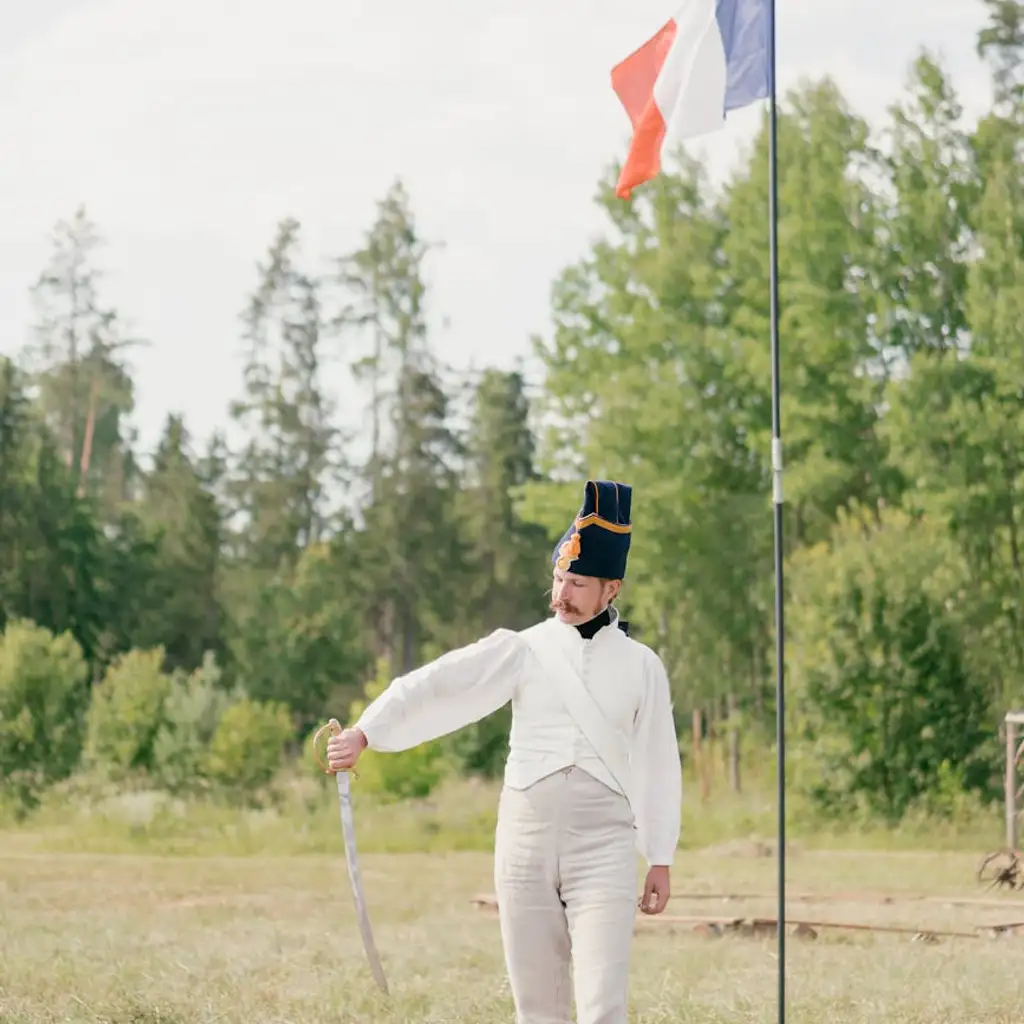
The saber sword is intricately woven into the fabric of European and Asian military history. From Napoleonic cavalry to samurai adopting saber-like forms, its cultural reach is extensive. Similarly, the Damascus sword is inseparable from Middle Eastern history, symbolizing craftsmanship and warfare while inspiring enduring myths.
Both swords have transcended their battlefield origins to become symbols of honor and artistry. Saber swords are featured in parades, fencing sports, and ceremonial traditions. Damascus swords, often presented to rulers and dignitaries, were more than mere weapons; they were status symbols and artistic masterpieces.
Modern Appeal and Collecting
In today’s world, the fascination with these blades continues to grow. Collectors seek authentic saber swords for their historical significance, while modern replicas allow enthusiasts to experience a piece of martial history. Damascus swords, with their mesmerizing steel patterns, are particularly prized among collectors and artisans.
Contemporary smiths use advanced techniques to replicate Damascus patterns, creating functional and decorative pieces that honor the original mystique. Whether displayed as art, used in martial practice, or preserved as heirlooms, both types of swords represent more than tools of combat; they embody tradition, culture, and human creativity.
The Enduring Legacy of These Blades
What unites the saber sword and Damascus sword is their enduring relevance. Each tells a different chapter of history – one about mobility and strategy, the other about craftsmanship and steel. Together, they illustrate the timeless balance between utility and beauty.
For martial artists, historians, and collectors alike, these swords remain more than artifacts. They are reminders of the creativity, resourcefulness, and artistry that shaped civilizations. To hold or study them is to connect with a legacy that stretches across centuries and continents.
Conclusion
The Saber Sword and Damascus Sword stand as icons not just of weaponry, but of human achievement. Their stories reveal how necessity can inspire artistry, how function can coexist with beauty, and how culture can be etched into steel. Whether admired for their battlefield efficiency or their artistic designs, these blades continue to fascinate the modern world as much as they did centuries ago.