The samurai sword, often referred to as the katana, transcends its role as a mere weapon, embodying a rich tapestry of honor, discipline, and tradition that continues to captivate enthusiasts worldwide. This iconic blade is celebrated for its impeccable balance, exquisite design, and profound spiritual significance. Holding a samurai sword is akin to grasping a piece of history, a testament to the craftsmanship and heritage of Japan’s ancient warriors. Opting for a high-quality samurai sword is a choice to embrace history, tradition, and an object of both aesthetic and cultural significance.
In today’s world of mass production, the meticulously crafted samurai sword stands out as a remarkable artifact. The blade’s curvature, the artistry of the tsuba, the intricate pattern of the saya, and the overall balance make the katana a peerless work of art. This unique blend of power, elegance, and symbolism has made the samurai sword a cherished collector’s item across the globe.
The Origin and Evolution of the Samurai Warrior
To truly appreciate the samurai sword, one must delve into the origins of the Japanese warrior. The samurai emerged during the early Middle Ages, a time when Japan was divided into clans that trained warriors to protect their territories. Initially, these warriors fought primarily on horseback, wielding bows and arrows. The sword’s prominence only rose later, as the katana became the quintessential symbol of the samurai’s identity.
From the 12th century onward, the samurai’s influence grew rapidly. They evolved into not only military leaders but also key social figures, responsible for maintaining order, governance, and cultural development. During this era, the renowned Bushido – the Way of the Warrior – was established. Bushido emphasized virtues such as honor, loyalty, discipline, justice, and mastery over body and mind. A samurai was expected to be more than a mere soldier; he was a moral guide, a role model, and a custodian of ancient traditions.
A Katana as a Mirror of Tradition and Craftsmanship
During the tumultuous Sengoku period, characterized by warfare and political upheaval, the katana solidified the samurai’s global reputation. Its swift draw, curved blade, and lethal precision made it indispensable in battle. Sword forging was regarded as a sacred craft, with smiths revered as artists fulfilling a spiritual role. The sword was considered the “soul” of the warrior, a concept that endures to this day.
Under the Tokugawa shogunate in the 17th century, the samurai’s role shifted once more. They became administrators rather than frontline soldiers, yet their values and way of life remained deeply ingrained in the culture. Even after the official abolition of the samurai class in the 19th century, the katana persisted as a symbol of their legacy. Today, a samurai sword represents not only history but also artistry and cultural appreciation.
A Sword Samurai for Collectors and Enthusiasts
The samurai sword uniquely combines tradition and craftsmanship in a single object. A well-crafted samurai sword is instantly recognizable, with perfect balance that makes it comfortable to hold and maneuver effortlessly. The blade’s curvature is no accident but the result of centuries of refinement, creating a powerful and fluid cutting motion that distinguishes the katana.
The steel is traditionally folded multiple times, a process that imparts both strength and flexibility. This results in a blade that is both sharp and resilient. The resulting pattern, known as the hamon, is an essential aspect of the katana’s beauty for enthusiasts, highlighting its artisanal origins and giving each sword its unique character.
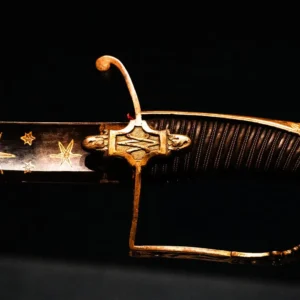
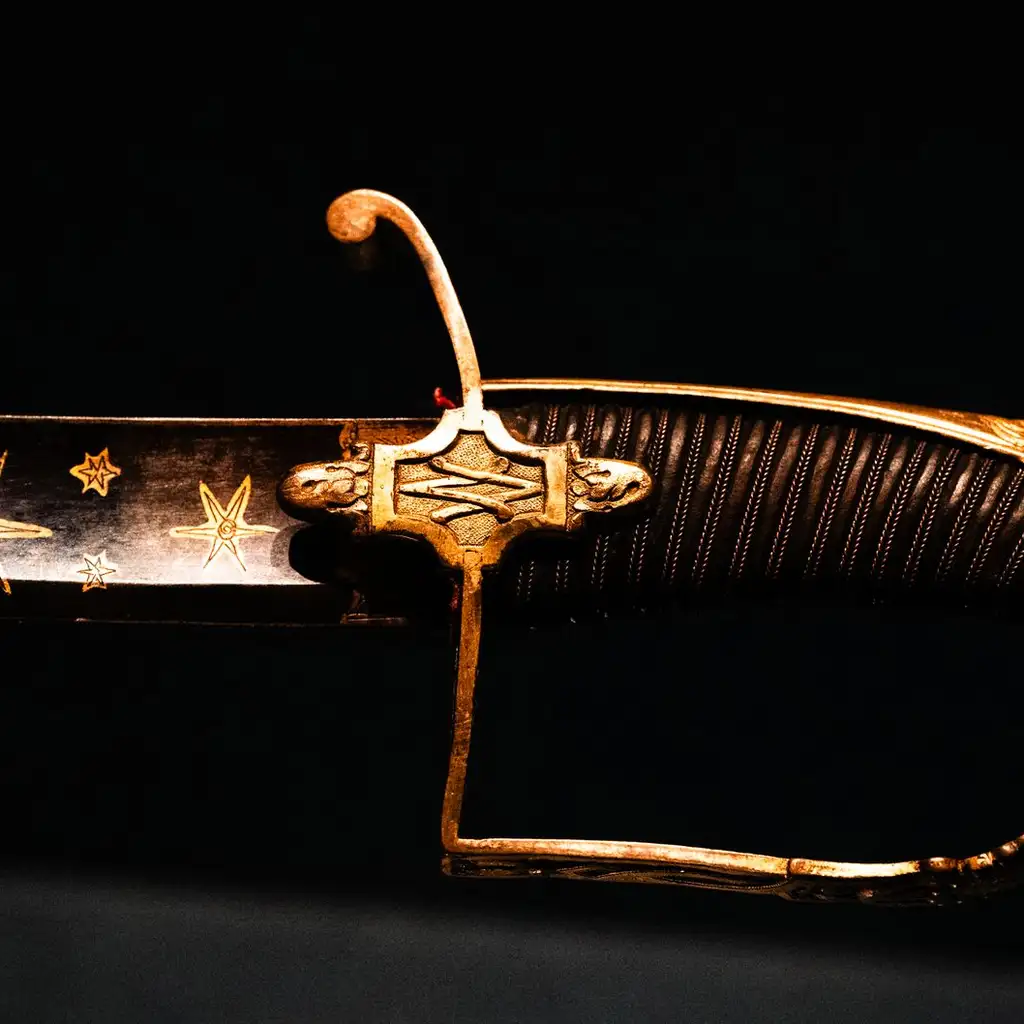
The tsuba, or handguard, is also a masterpiece in its own right. Some tsubas are simple and minimalist, while others are richly adorned with motifs of nature, mythological figures, or clan symbols. The tsuka, or handle, is wrapped with traditional materials like ray-skin and cotton or silk, providing both a comfortable grip and a luxurious appearance. Every aspect of a samurai sword is crafted with care, precision, and respect for ancient traditions.
A Cultural Heritage that Continues to Inspire
The samurai sword captivates the imagination, whether you’re an enthusiast, collector, or practitioner of Japanese martial arts. For many, a katana is a centerpiece that commands attention in the home. Its elegant form, historical resonance, and refined details make it an ideal decorative element. A katana instantly enhances a room’s ambiance, exuding tranquility, strength, and character.
Practitioners of traditional martial arts such as iaido, kenjutsu, or battōjutsu also place great value on a well-constructed katana. For training purposes, a sword must be perfectly balanced and reliable. While decorative swords are primarily for display, training swords are designed for actual movements, strikes, and katas.
Whether for training or collection, a samurai sword is always a unique object. No two swords are identical; variations in finish, steel structure, handle wrapping, and saya make each sword personal. This is why a katana is not just a purchase but a lifelong treasure.
The allure of a samurai sword is timeless. In ancient Japanese tales, swords are described as extensions of the soul. In films and literature, they symbolize strength and discipline. This fascination is well-founded: the combination of simplicity and refinement makes a katana special. It is an object to be not only seen but experienced.
A samurai sword tells a story. It speaks of warriors who lived by strict codes of honor, of smiths who dedicated their lives to perfection, and of a culture where beauty and functionality coexist. Holding a katana feels like holding an echo of this past. It’s a connection to a culture that has left its mark on art, philosophy, and lifestyle for centuries.
A katana adds personality and character to any space. It invites admiration and conversation, carrying with it an aura of mystery and history. Whether minimalist or intricately ornate, a samurai sword possesses a unique allure that is unmatched.