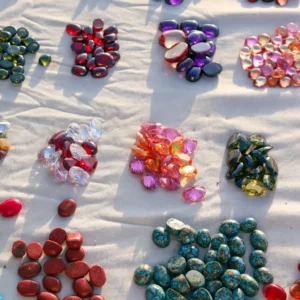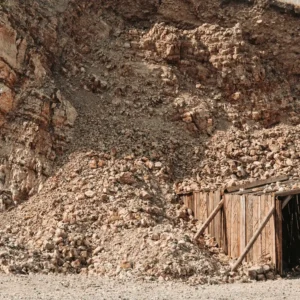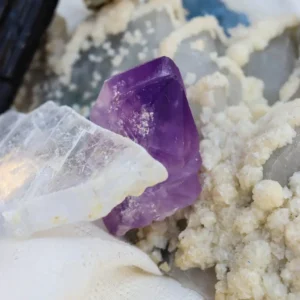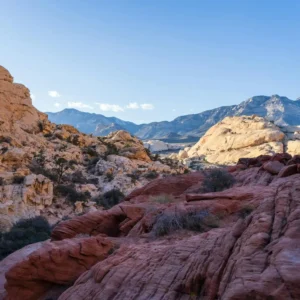
Washington State offers a rich landscape for those interested in rockhounding, with its abundant minerals and fossils waiting to be unearthed. While the prospect of starting this hobby might seem overwhelming due to the intricate regulations surrounding land access, and the secrecy often maintained by veteran collectors about their favorite spots, anyone can embark on this adventure with the right guidance.
Joining a local rock club or participating in field trips organized by the Washington State Mineral Council is an excellent way to begin. These trips provide newcomers with the opportunity to learn from seasoned collectors, discover prime locations, and master the techniques necessary for successful outings. According to Susan Gardner, president of the North Seattle Lapidary and Mineral Club, “It’s a wonderful community to be part of.” Clubs also host public rock and gem shows, ideal for those who appreciate the beauty of stones.
Exploring Washington’s Geological Riches
Washington is renowned for its diverse geological offerings. In the southwest, vibrant orange-red carnelians can be found along shores and creek beds. Central Washington is famous for the rare “Ellensburg Blue” agates and plentiful petrified woods, remnants of ancient forests preserved in lava flows. The Ginkgo Petrified Forest State Park is home to over 50 species of petrified trees.
In Eastern Washington, rockhounds can search for noble serpentine at Wild Turkey Mine or explore plant and insect fossils at the Stonerose Interpretive Center in Republic. Near Seattle, Hansen Creek in the Mt. Baker-Snoqualmie National Forest is a favored spot for quartz crystal hunting, though it presents challenges even for experienced collectors.
Navigating Collection Regulations
Understanding the rules about where and what you can collect is crucial. Collecting on private lands requires permission, while public lands managed by the U.S. Forest Service or Bureau of Land Management generally permit the collection of minerals and common invertebrate fossils for personal use. However, areas under mining claims are off-limits without proper authorization.
State parks, national parks, wildlife refuges, and tribal lands prohibit collecting. Special permits are needed for meteorites, vertebrate fossils, and archaeological artifacts, which are reserved for scientific study. Additionally, petrified wood collection is limited to 25 pounds plus one piece per day, with an annual limit of 250 pounds.
Locating Prime Rockhounding Spots
Information about the best locations can often be found online in forums, social media groups, and rockhounding websites. Books such as “Rockhounding Washington” by Lars W. Johnson and “Gem Trails of Washington” by Garret Romaine are also valuable resources. Jean Shaffer from the North Seattle Lapidary and Mineral Club recommends beginners join club field trips to learn the ropes and access exclusive areas.
Preparing for a Successful Trip
Proper preparation is essential for a successful rockhounding trip. Wear appropriate clothing and bring essentials like a map, hat, and gloves. Basic tools include a flat chisel, hammer, or pry bar, depending on the mineral you are targeting. A steel rock pick can help identify minerals by sound. A hand trowel and a container for collected items are also useful, as is water for cleaning finds.
Check weather conditions and tide schedules, as these can affect accessibility and visibility of minerals. Some collectors prefer hunting after rain, which can make minerals more visible against wet soil or gravel.
Embracing Ethical Rockhounding
Adhering to the “Rockhound Code of Ethics” is vital. This includes leaving no trace, filling in holes, and respecting the environment. The thrill of discovery is part of the appeal, and even if a trip yields no significant finds, the experience of exploring nature is rewarding. As Shell Hallahan, a rockhound from DuPont, notes, “It’s never a bad day, even when I don’t find an agate.”